


Ice bath therapy has gained prominence in the domain of athletic recovery. Athletes increasingly rely on this method to alleviate muscle soreness and enhance recuperation. The physiological effects are notable, promoting reduced inflammation and improved mental clarity. However, the application and effectiveness of ice baths are often surrounded by misconceptions. Understanding the science behind this practice could reshape recovery strategies. What lies beneath the surface of this chilling trend?
The Science Behind Ice Bath Therapy

A growing body of research supports the effectiveness of ice bath therapy in enhancing athletic recovery. This therapeutic technique, also known as cold water immersion, leverages the physiological responses of the body to cold exposure.
When athletes submerge themselves in ice baths, vasoconstriction occurs, reducing blood flow to areas of inflammation and minimizing tissue damage. Following immersion, the body experiences rewarming, which promotes increased blood flow and the delivery of nutrients necessary for healing.
Additionally, ice baths are believed to reduce muscle soreness and fatigue through the modulation of inflammatory responses. As athletes seek ideal recovery methods, understanding the scientific principles underlying ice bath therapy becomes essential in evaluating its role in modern training regimens.
Benefits of Ice Baths for Recovery

While many athletes experiment with various recovery methods, ice baths stand out for their scientifically supported benefits.
Research indicates that exposure to cold water can markedly reduce muscle soreness and inflammation following intense physical exertion. This cold exposure constricts blood vessels, limiting the swelling and tissue damage typically associated with strenuous activity.
Moreover, ice baths may enhance the recovery process by promoting faster removal of metabolic waste products, such as lactic acid, from the muscles.
Additionally, athletes often report improved mental clarity and a sense of rejuvenation after ice bath sessions, which can contribute positively to overall performance.
To conclude, ice baths provide a multifaceted approach to recovery, addressing both physiological and psychological aspects essential for athletic success.
How to Properly Take an Ice Bath
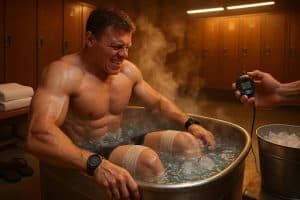
Understanding the benefits of ice baths is only the first step; knowing how to properly take one is equally important for maximizing recovery.
Athletes should begin by preparing a tub filled with cold water and ice, aiming for a temperature between 50°F and 59°F (10°C to 15°C). It is advisable to gradually acclimate to the cold, starting with shorter durations of around 10 to 15 minutes.
Wearing a swimsuit and ensuring that the body is submerged up to the waist can enhance the experience. After the bath, athletes should warm up gradually, avoiding sudden temperature changes.
Hydration is vital before and after the session to maintain ideal physiological function. Following these guidelines can help athletes effectively harness the recovery benefits of ice baths. More detailed information can be found on https://www.revibe.my/.
Common Misconceptions About Ice Bath Therapy

Ice bath therapy is often surrounded by a cloud of misconceptions that can lead athletes to either overestimate or underestimate its effects. A prevalent myth suggests that ice baths completely eliminate muscle soreness, whereas research indicates they may only reduce the perception of discomfort.
Additionally, some athletes believe that longer exposure guarantees better recovery; however, excessive cold exposure can hinder circulation and tissue healing.
Another common misconception is that ice baths are universally beneficial for all athletes, overlooking individual preferences and responses.
Finally, the idea that ice baths should be taken immediately after every workout is misleading; timing and personal recovery strategies play vital roles in their effectiveness.
Understanding these misconceptions can guide athletes toward more informed recovery practices.
Conclusion
In summary, ice bath therapy stands as a pivotal recovery tool for athletes, leveraging scientific principles to enhance both physical and mental recuperation. By effectively reducing muscle soreness and inflammation, this technique not only expedites recovery but also sharpens mental focus. As misconceptions about its efficacy continue to circulate, understanding the underlying mechanics and proper application of ice baths becomes essential. Embracing this practice can greatly elevate an athlete’s performance, bridging the critical gap between rigorous training and ideal recovery.